
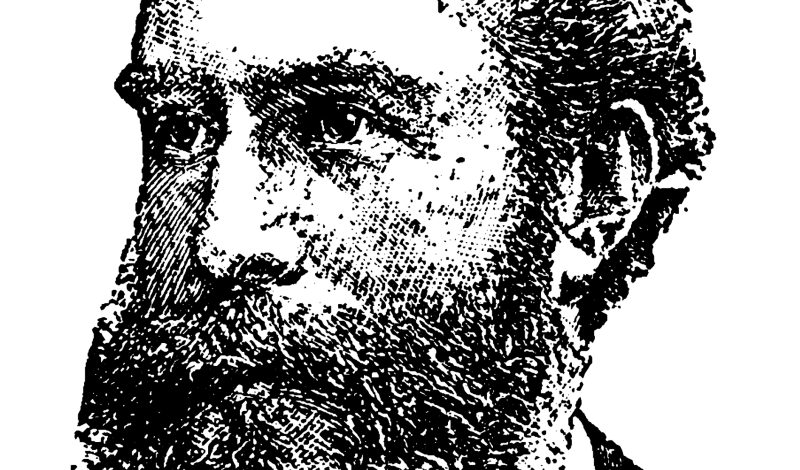
World Radiography Day was celebrated earlier this month. The day commemorates the anniversary of the discovery of x-rays and recognises the important contributions of radiographers to healthcare.
It was Wilhelm Roentgen, a German scientist, who first discovered the ‘x-ray’ on 08 November 1895. He was testing whether cathode rays could pass through a glass tube and noticed that a nearby screen treated with a chemical called barium platinocyanide began to glow. He deduced that a form of radiation must be at work within the tube and named this radiation ‘X-ray’ – X standing for unknown. He learnt that the rays pass through human flesh, leaving a shadow of the bones on the screen – making the invisible, visible!
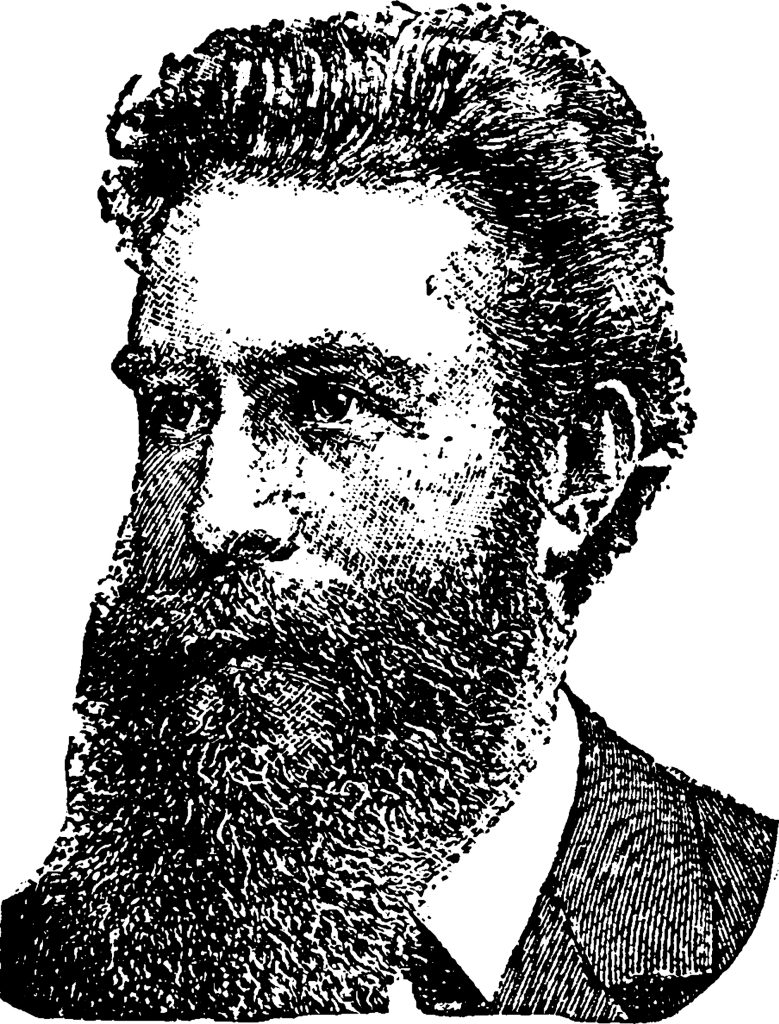
Wilhelm Roentgen’s discovery of X-rays significantly altered the medical landscape, introducing a new era of diagnosis and exploration that was once thought impossible. The ability to visualise the human body internally without invasive techniques revolutionised medical practices.
His innovative work with X-rays was promptly acknowledged, leading to his award of the Nobel Prize in Physics in 1901 (the first year the Nobel Prizes were awarded), highlighting the substantial impact of his discovery on the scientific community. Roentgen donated his Nobel Prize money to his university and never took out a patent on his discovery, believing the x-ray technology should be freely available to benefit all.
News of the discovery spread rapidly around the world. Thomas Edison was one of those eager to perfect the technology and in 1896 Thomas Edison developed the fluoroscopic device. Following Roentgen’s discovery in 1895, Edison began experimenting with various materials to establish which was the most effective to use for the screen. He found calcium tungstate screens to be the most successful. His experimenting led to the discovery and development of an application still used today – fluoroscopy.
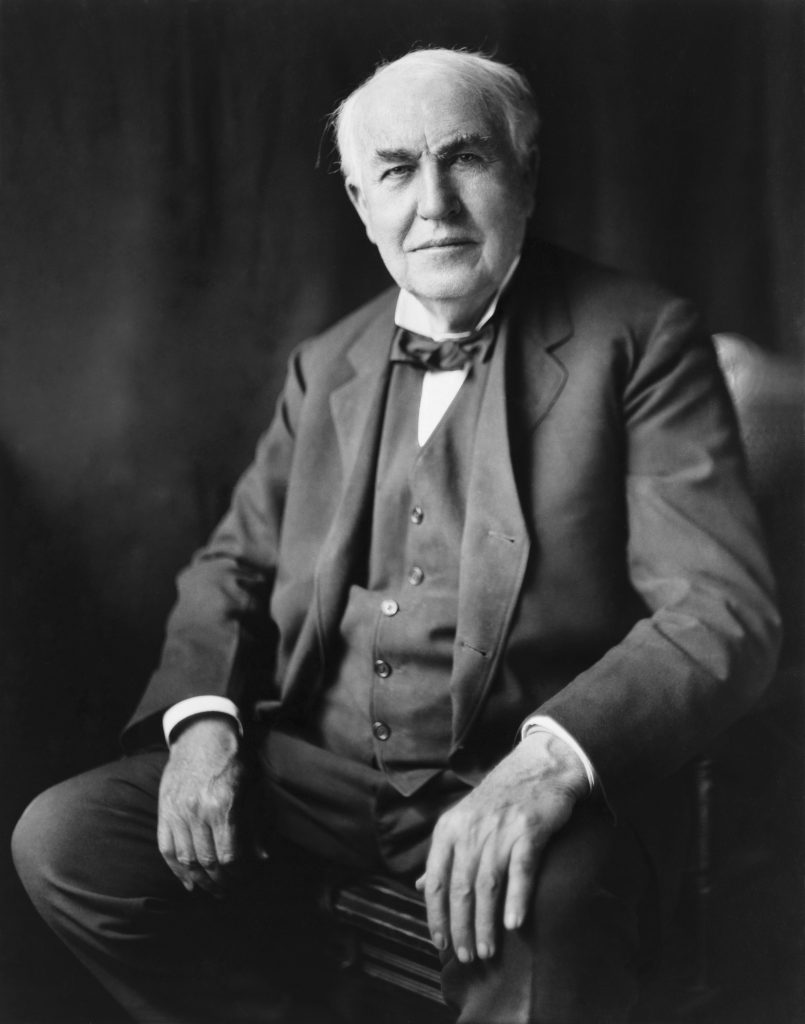
The dangers of x-ray were first discovered during Thomas Edison’s research. A glassblower who worked with Edison would x-ray his own hands to test the x-ray tubes. Eventually, he had both of his arms amputated due to cancer. He died of the effects of x-ray exposure in 1904.
The apparatus for producing x-rays was soon widely available and captured the Victorian public’s imagination. Photographic studios and fun fairs took advantage of the craze and people stood in line for a chance to see their bodies in x-ray light.
Physicians began to employ x-rays in depilatory treatments, with patients receiving weekly doses of x-rays, often for several months.
Shoe shops installed x-ray units to aid in the fitting of shoes, promising the perfect fit. You were able to see the bones in your feet right through the shoe!
Most importantly, however, doctors and scientists applied this groundbreaking discovery to a variety of medical conditions, from assessing fractures to locating and treating cancers.
Initially, scientists were unaware of any risks associated with x-rays. Today, the use of ionising radiation is regulated by the HSE via the Ionising Radiations Regulations 2017 (IRR17). Employers, using ionising radiation, are legally required to comply with these regulations in order to protect both their employees and the general public. One of the legal appointments Employers using ionising radiation must make is that of a Radiation Protection Adviser – SGA can act in this capacity for you. See our Radiation Protection Advice page for further details.
There have also been major advancements in the evolution of x-ray technology since its discovery, which has led the way to more modalities. These include diagnostic and therapeutic uses for example, digital x-rays, Computerised Tomography (CT) scanning and the use of radioisotopes in nuclear medicine.
Not bad for an accidental discovery!
If you’re keen to find out more, register on our Online Learning Platform to access a selection of free short courses.